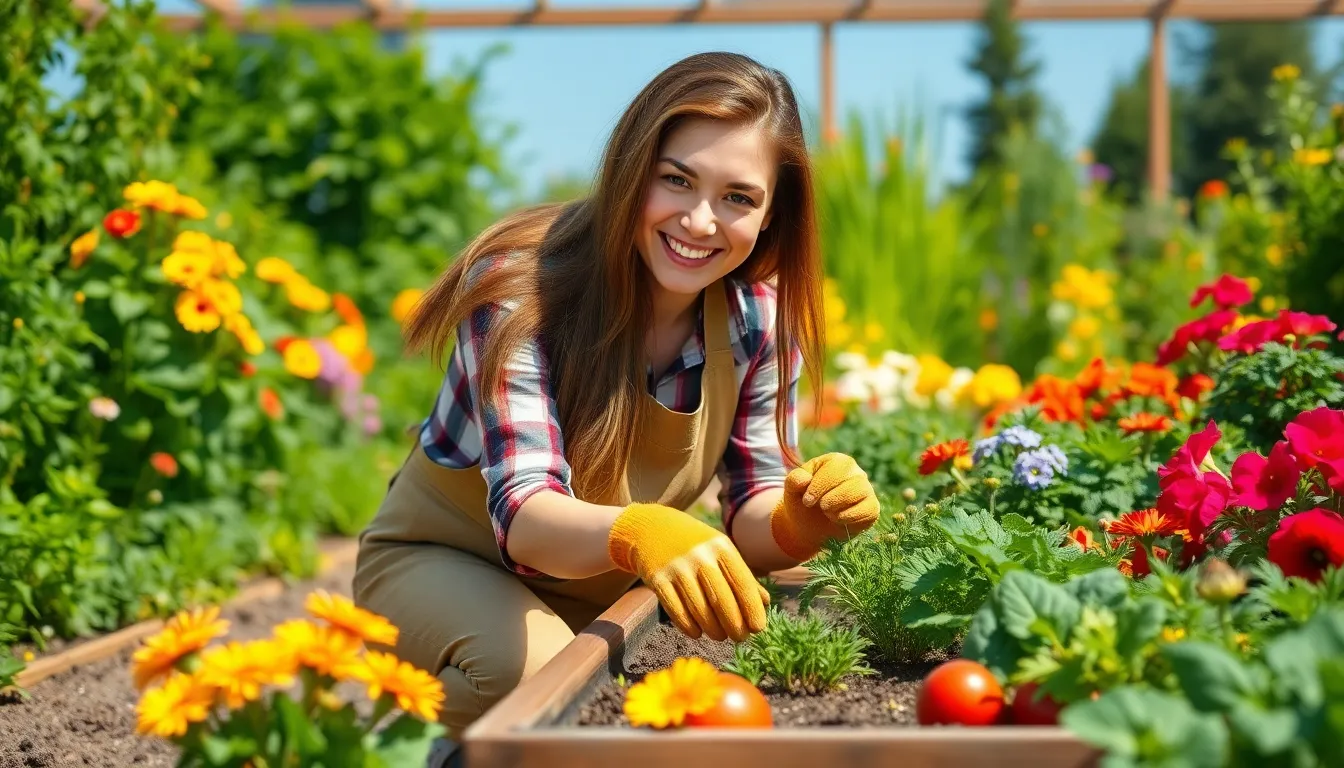

Gardening isn’t just about digging in the dirt; it’s a delightful adventure waiting to unfold in every backyard. Whether you’re a seasoned green thumb or a curious newbie, there’s a type of gardening that’ll tickle your fancy and maybe even your taste buds. From the zen of Japanese gardens to the wild chaos of permaculture, the options are as varied as the plants themselves.
Types Of Gardening
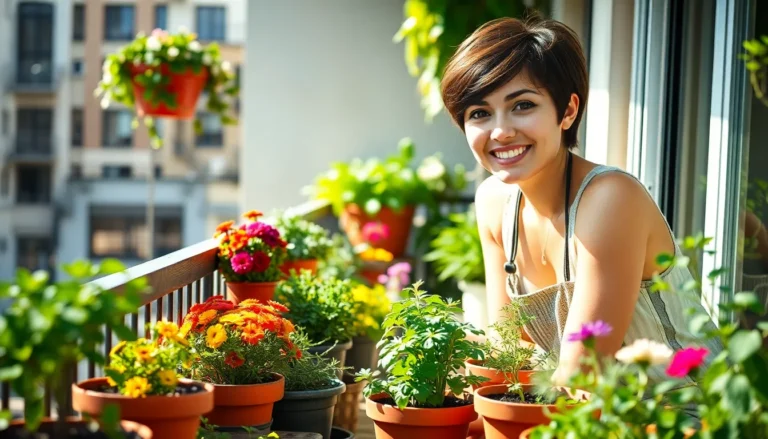
Container gardening involves growing plants in pots or containers. It’s ideal for individuals with limited space, such as balconies or patios. Raised bed gardening uses elevated structures, facilitating easier access and better soil control. This method promotes healthy root growth and excellent drainage.
Aquaponics combines aquaculture with hydroponics, creating a self-sustaining ecosystem. Fish waste nourishes plants, while plants filter water for fish. Vertical gardening maximizes space by growing plants upwards. This technique suits urban areas where land is scarce.
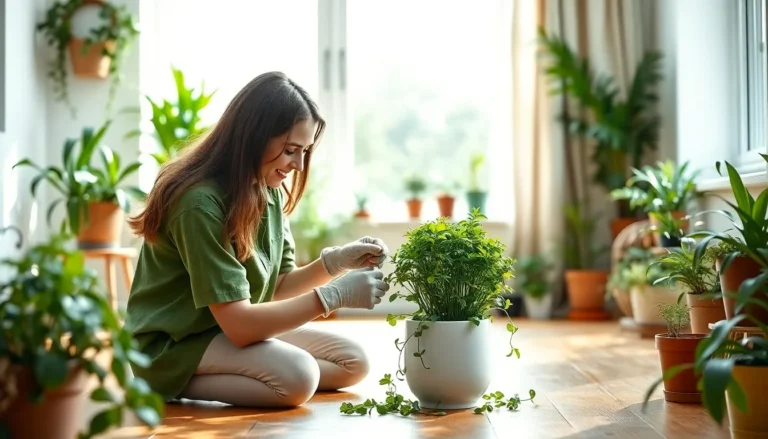
Chef’s gardens focus on cultivating culinary herbs and vegetables. These gardens enhance cooking with fresh ingredients while fostering self-sufficiency. Indoor gardening creates a vibrant atmosphere within homes. It offers year-round growth opportunities for houseplants and herbs.
Wildflower gardens attract native pollinators and promote biodiversity. By using native plants, these gardens support local ecosystems. Urban gardening transforms city spaces into green havens. It encourages community engagement and environmental awareness.
Hydroponic gardening uses nutrient-rich solutions instead of soil. This method promotes faster plant growth and increased yields. Permaculture emphasizes sustainability and mimics natural ecosystems. It incorporates diverse plants and animals to create self-sufficient farms.
Xeriscaping focuses on water-efficient landscaping. It utilizes drought-resistant plants to conserve water in arid regions. Square foot gardening divides garden spaces into small sections for efficient planting. This technique cuts down on waste and maximizes production.
Community gardens bring people together to share resources and knowledge. They foster social connections while offering fresh produce. Each gardening type caters to different preferences, emphasizing the variety available for enthusiasts.
Traditional Gardening
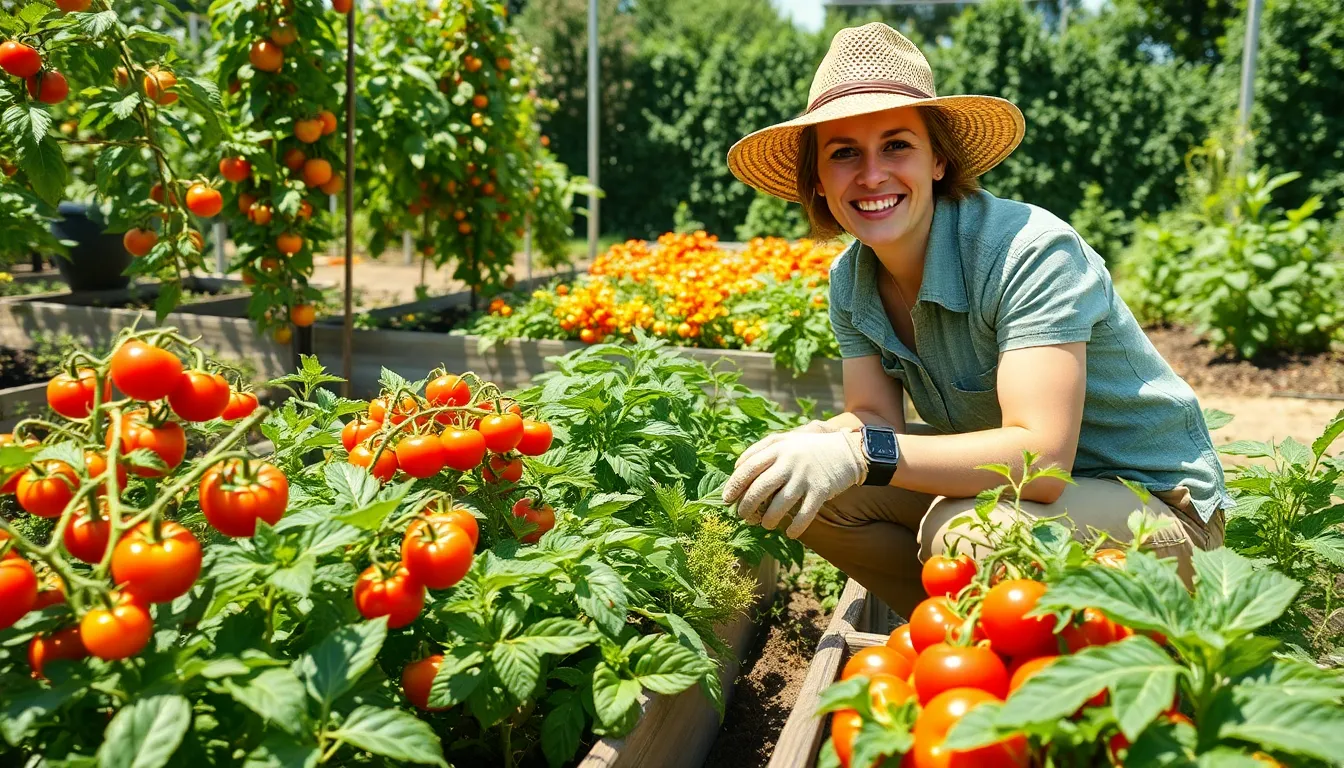
Traditional gardening encompasses various styles focused on cultivating plants in a conventional manner. This approach often emphasizes hands-on techniques and time-honored practices that connect people to nature.
Vegetable Gardening
Vegetable gardening focuses on growing a variety of edible plants. Gardeners typically select popular choices like tomatoes, peppers, and greens. Raised beds and in-ground planting are common methods for maximizing yield. Seasonal changes impact planting schedules, so timing plays a critical role. Locating the garden in a sunny area ensures optimal growth. Organic practices, such as composting and natural pest control, enhance soil health and sustainability. Harvesting occurs when vegetables reach peak flavor and size, allowing gardeners to enjoy fresh produce from their efforts.
Flower Gardening
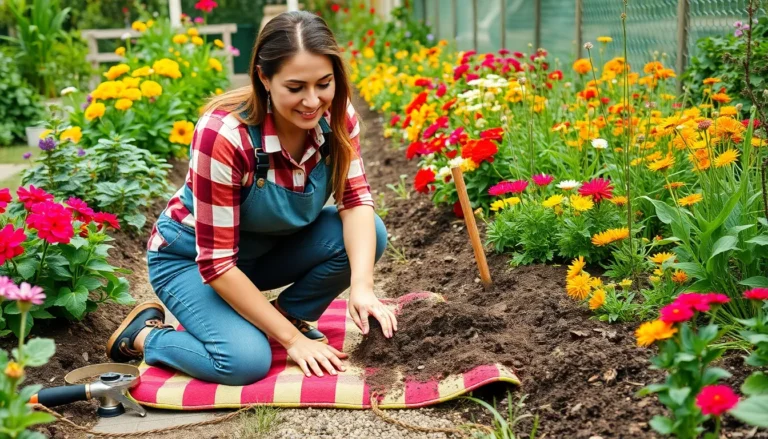
Flower gardening centers on cultivating ornamental plants to enhance aesthetics. Gardeners often choose blossoms based on color, size, and bloom time. Popular flowers include roses, daisies, and tulips, each contributing unique beauty. Planting in well-drained soil promotes healthy growth, while proper spacing allows for airflow. Seasonal blooms create vibrant displays throughout the year, attracting pollinators like bees and butterflies. Maintenance tasks include deadheading, pruning, and watering to ensure continuous blooming and overall plant health.
Container Gardening
Container gardening suits those with limited space, making it a popular choice for urban dwellers. This method allows for growing a variety of plants in pots or containers, providing flexibility and creativity in gardening.
Benefits Of Container Gardening
Container gardening offers several advantages. It maximizes small spaces, such as patios and balconies, allowing for plant growth where traditional gardens might not fit. Containers provide better soil management, ensuring plants receive optimal nutrition. Mobility allows for easy relocation to accommodate sunlight or weather changes. Watering becomes simpler, as plants in containers dry out more quickly, promoting timely care. Pest control proves more effective, allowing for close monitoring in a contained environment. Lastly, this method adds aesthetic appeal, with colorful pots enhancing outdoor decor.
Best Plants For Containers
Selecting appropriate plants enhances success in container gardening. Herbs like basil, parsley, and chives grow well in pots and provide fresh flavors for cooking. Vegetables such as cherry tomatoes, peppers, and lettuce thrive in limited space and offer fresh produce. Small fruit plants, including strawberries and dwarf citrus trees, adapt to container life while delivering delicious yields. Flowers like petunias, pansies, and geraniums brighten spaces with vibrant colors. Succulents and cacti require minimal water, making them perfect for low-maintenance arrangements. Overall, many plant options ensure suitable choices for various preferences and climates.
Vertical Gardening
Vertical gardening maximizes limited spaces, making it ideal for urban environments. This gardening style utilizes walls, fences, and trellises to create lush green niches.
Techniques For Vertical Gardening
Utilizing various techniques enhances vertical gardening success. Attach pocket planters to walls for a unique display. Incorporate trellises to support climbing plants, allowing them to reach new heights. Vertical planters with shelves provide multiple layers for planting. Mesh or wire grids enable plants to grow vertically while ensuring adequate sunlight exposure. Hydroponic systems can also suit vertical gardening, as they allow plants to thrive without soil. This method naturally conserves space while showcasing creativity and style.
Suitable Plants For Vertical Spaces
Choosing the right plants significantly impacts vertical gardening outcomes. Herbs such as basil and mint flourish in vertical setups. Climbing vegetables like cucumbers and pole beans maximize vertical space too. Lightweight flowers, such as petunias and nasturtiums, add vibrant colors to displays. Succulents adapt well to vertical gardens due to their low water needs. Ferns and trailing vines like ivy enhance aesthetics and complete vertical designs. Select fast-growing plants for quicker results in limited areas.
Hydroponic Gardening
Hydroponic gardening involves growing plants in nutrient-rich water rather than soil. This method provides a controlled environment for plants, allowing for efficient nutrient intake and faster growth.
Understanding Hydroponics
Hydroponics relies on water and mineral nutrients rather than soil for plant growth. It can utilize various systems like nutrient film technique (NFT), deep water culture (DWC), and aeroponics. Each system differs in how plants receive nourishment. Many plants such as lettuce, herbs, and tomatoes thrive in hydroponic setups. With careful monitoring, gardeners can optimize pH levels, light exposure, and temperature, leading to robust plant growth.
Advantages Of Hydroponic Systems
Hydroponic systems offer several significant benefits. They require less water compared to traditional soil gardening, making them resource-efficient. Nutrition delivery occurs directly to plant roots, promoting faster growth and higher yields. In addition, growing indoors or in limited spaces eliminates the need for pesticides, resulting in cleaner produce. Pest management becomes easier due to the controlled environment, minimizing damage. These systems also enable year-round growing, regardless of climate conditions, allowing for consistent harvests.
Conclusion
Gardening presents a rich tapestry of options for everyone. Whether one prefers the structured beauty of a flower garden or the innovative approach of hydroponics, there’s a style to suit every interest and environment. Each type of gardening offers unique benefits and experiences that can deepen one’s connection to nature.
As individuals explore these diverse gardening methods, they can discover not only the joy of nurturing plants but also the satisfaction of creating vibrant spaces. Embracing gardening in any form fosters creativity and a sense of accomplishment that can be immensely rewarding.