
For years, the standard real estate checklist in Seattle focused heavily on the indoors: the number of bedrooms, the open-concept kitchen, and the elusive “bonus room.” But a subtle shift has occurred in how we view our homes. They are no longer just places to sleep or store our belongings. In a world where work, school, and leisure often happen under one roof, our homes have become sanctuaries for mental wellness and primary hubs for entertainment.
This shift has forced a re-evaluation of property value. It turns out that a home’s true worth isn’t strictly limited to its interior square footage. The “happy” factor—that intangible feeling of peace and satisfaction—often lives outside the four walls of the house. It lives in the quiet morning coffee on the patio, the weekend barbecue with friends, or the solitary moment of calm under a tree after a long day of Zoom calls.
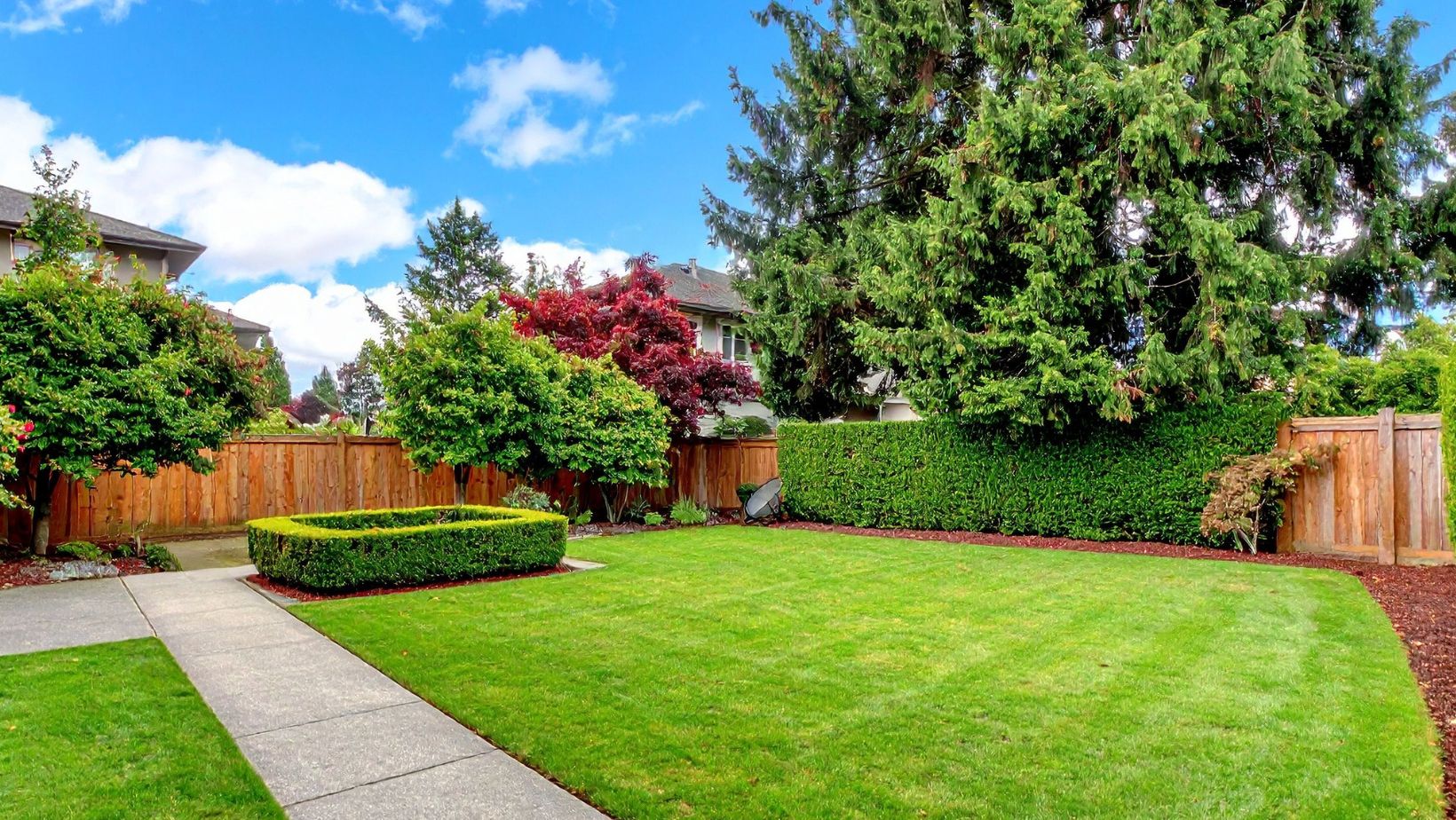
A functional backyard in the Pacific Northwest is more than just a patch of grass; it is a dual-purpose investment. It offers immediate “happiness ROI” by upgrading your daily lifestyle, while simultaneously providing tangible financial returns in a competitive housing market.
Why Your Brain Craves Green Space
We often talk about Return on Investment (ROI) in terms of dollars and cents. But there is a different kind of return that is arguably more valuable: the return on your happiness and mental health. In a tech-heavy, high-paced city like Seattle, the ability to disconnect and recharge is not a luxury—it is a necessity.
The concept of “Space to Breathe” is central to the philosophy that a home should be a happiness generator. It’s easy to dismiss a garden or a deck as a nice-to-have, but biology tells a different story. Our brains are hardwired to respond positively to nature. When we are cooped up inside, surrounded by artificial light and screens, our stress levels naturally rise.
Science backs this up. According to the Harvard T.H. Chan School of Public Health, time spent in nature and green spaces is linked to lower blood pressure, reduced cortisol (stress) levels, and improved sleep quality. The research suggests that these spaces act as a buffer against the mental strain of modern living.
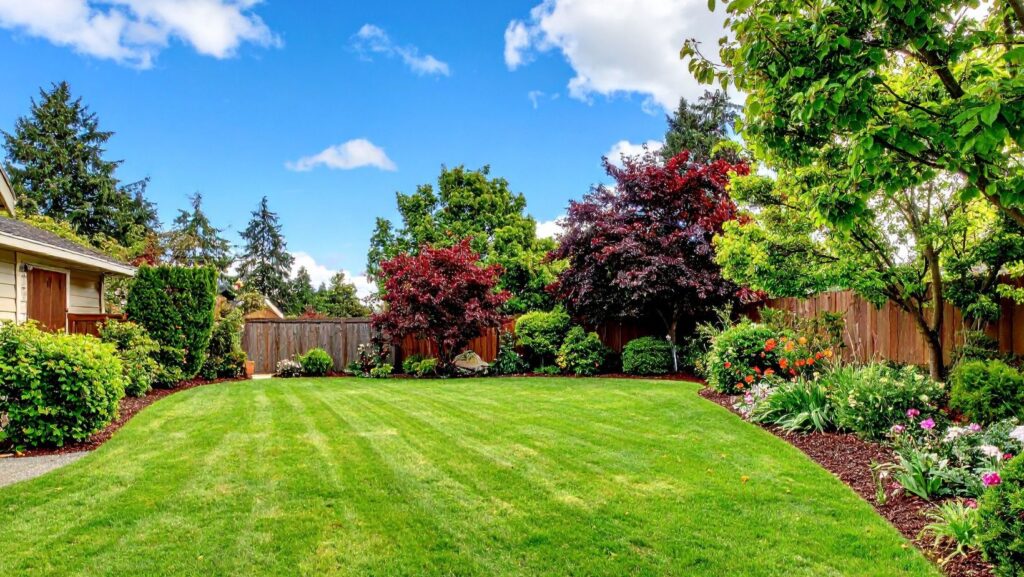
Finding that balance between city life and the natural world is really the secret to staying sane in a place as busy as Seattle. When you’re ready to start looking, it’s worth the effort to find your Seattle real estate agent who actually values that need for “breathing room” as much as you do. Instead of just showing you houses that meet a bedroom count, you want someone who can point out the properties with the best natural light, the most privacy, or the easiest access to the city’s hidden trail systems. Having a partner who treats your mental health and connection to nature as a non-negotiable makes all the difference in finding a home that actually lets you recharge at the end of the day.
The Financial Argument: Do Backyards Actually Pay Off?
“Is spending money on landscaping actually worth it when I sell?”
This is one of the most common questions homeowners ask. There is often a fear that money poured into a patio or an outdoor kitchen is “dead money” that won’t be recouped at resale. However, recent market data proves that “ROI Anxiety” regarding outdoor spaces is largely unfounded. In fact, outdoor renovations are currently some of the smartest financial plays you can make.
Buyers have spoken, and they are willing to pay a premium for move-in-ready outdoor living. According to Zillow data, homes with outdoor TVs sold for 3.1% more than expected, while those with outdoor kitchens saw a 1.7–2.2% premium.
These numbers are significant. On a million-dollar home in Seattle, that percentage translates to tens of thousands of dollars in added value—often covering the cost of the installation itself. The data further reveals that six of the top 10 features boosting sales prices are outdoor-related. This signals a permanent shift in buyer priorities; they aren’t just looking for a house, they are looking for a lifestyle venue.
In the competitive Seattle market, a “finished” outdoor space often acts as the ultimate tie-breaker. When a buyer is deciding between two similar homes, the one with the mud pit in the back loses to the one with the staged patio and fire pit every time. It triggers an emotional response that justifies a higher bid, helping you win the bidding war or sell for a record price in your neighborhood.
Conquering the Drizzle: Designing a Seattle-Proof Oasis
The elephant in the room—or rather, the rain cloud over the roof—is the Seattle weather. A lush lawn and an open-air patio are fantastic in July and August, but what about the other ten months of the year? The most common pain point for local homeowners is, “How can I use this space when it rains?”
The answer lies in designing for the climate we have, not the climate we want. A lawn is nice, but in the Pacific Northwest, a covered space is essential. To make a backyard truly valuable here, it needs to be “Seattle-proof.”
Key features for year-round viability include:
- Covered Structures: This is the game-changer. Whether it’s a permanent roof extension, a louvered pergola, or a high-quality shade sail, staying dry is the prerequisite for outdoor living here.
- Heat Sources: We aren’t in San Diego. High-quality outdoor heaters (infrared is popular for its efficiency) and fire pits are mandatory for comfort. They extend the usable hours of your yard well into the chilly evenings and expand the usable months deep into autumn and early spring.
- Lighting: The “Big Dark” is real. When the sun sets at 4:30 PM, a dark backyard is a useless backyard. Strategic lighting—string lights, uplighting on trees, and task lighting for cooking—combats the gloom and makes the view from your indoor windows warm and inviting, rather than a black void.
By implementing these features, you turn a “summer-only” yard into a 12-month extension of your home. You can sip coffee under a heat lamp while watching the rain fall, which is a quintessentially cozy Seattle experience.
Smart Renovations vs. Money Pits
Not all outdoor upgrades are created equal. If you are renovating with an eye on both happiness and future resale value, you need to be strategic. This is where “Renovation Consulting” becomes critical.
High-ROI Projects:
- Hardscaping: Decks and patios define the space and reduce maintenance.
- Outdoor Kitchens: Even a simple built-in grill station adds perceived luxury.
- Functional Structures: Pergolas and covers that add protection.
Potential Money Pits:
- High-Maintenance Plantings: Exotic plants that require constant care can scare off buyers who want low-maintenance living.
- Overly Specific Features: A massive koi pond or a putting green might be your dream, but it limits the buyer pool.
It is also worth noting that small lots—very common in Seattle neighborhoods—do not preclude great design. You don’t need an acre to find happiness. Vertical gardens, multi-functional furniture with storage, and terraced landscaping can work wonders in compact spaces. It’s about visualizing potential where others see limitations.
Conclusion
Reimagining your Seattle living experience starts with looking out the back window. A functional, well-designed backyard is a powerful asset that serves two distinct masters: it provides a daily sanctuary for your mental health and builds a solid nest egg for your financial future.
It bridges the gap between the need for calm in a busy city and the need for smart investment in a rising market. Real estate is fun when it’s done right, and finding—or creating—the perfect outdoor space is one of the most rewarding parts of that journey.