
Every little gardener deserves the right tools to dig, plant, and grow their dreams. Imagine the joy on a child’s face as they wield their very own miniature shovel, ready to conquer the backyard! Garden tools for kids aren’t just toys—they’re gateways to creativity, responsibility, and a newfound appreciation for nature.
garden tools for kids
Gardening offers numerous advantages for children, promoting their physical and mental development. Engaging with nature enhances creativity and fosters a sense of responsibility.
Benefits Of Outdoor Play
Outdoor play encourages physical activity. Kids gain strength, coordination, and balance while using gardening tools. Exposure to sunlight boosts vitamin D levels, supporting overall health. Engaging with nature reduces stress and anxiety, resulting in improved mood and well-being. Social interactions during gardening help develop teamwork skills. Gardening also sparks curiosity, encouraging children to explore and learn about plants and ecosystems.
Developing Responsibility And Skills
Gardening instills a sense of responsibility in children. Caring for plants requires daily attention, teaching kids the significance of commitment. They learn valuable life skills, such as problem-solving and patience, as they observe the growth process. Understanding plant needs fosters decision-making skills about watering, sunlight, and soil conditions. Using their tools effectively builds confidence and enhances fine motor skills. Mastering gardening techniques cultivates a sense of achievement in kids, motivating them to engage with nature repeatedly.
Types Of Garden Tools For Kids
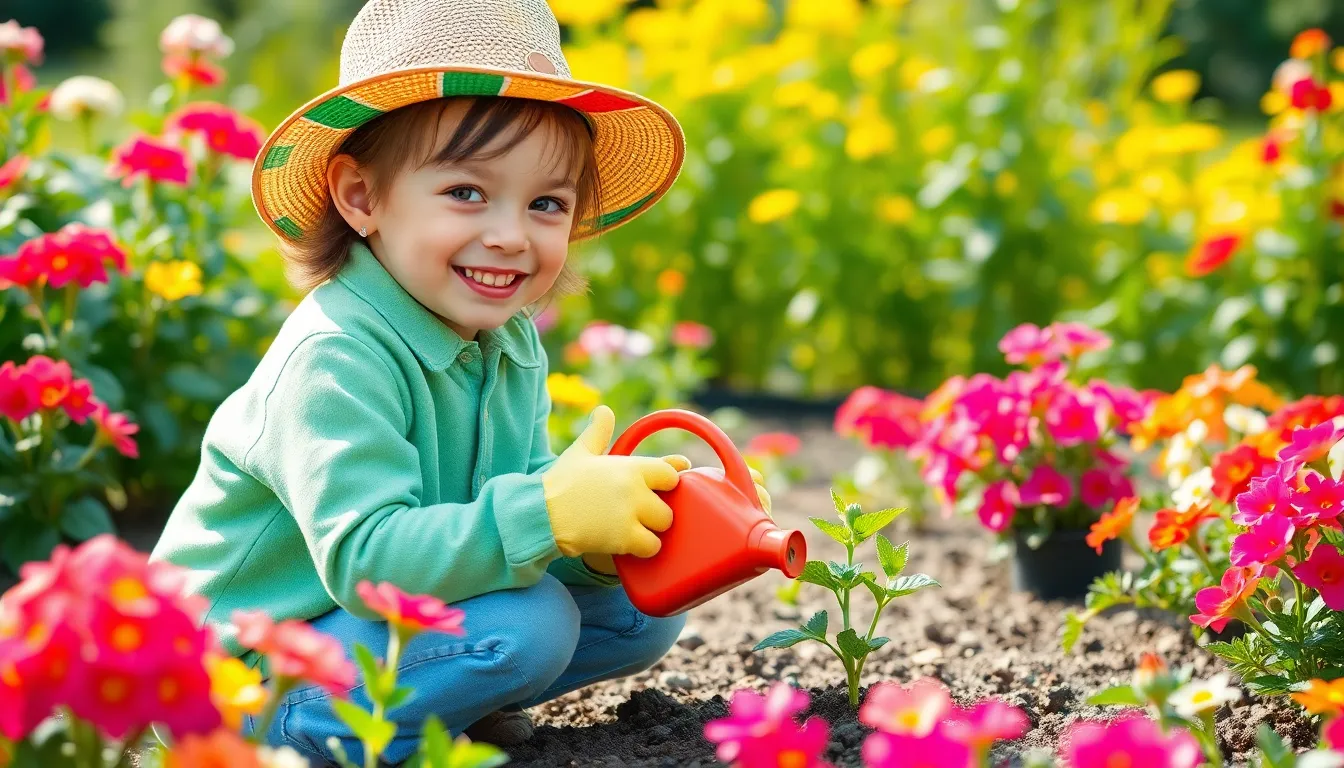
Children can greatly benefit from a variety of garden tools designed specifically for them. Each tool not only fosters engagement with nature but also encourages hands-on learning.
Hand Tools
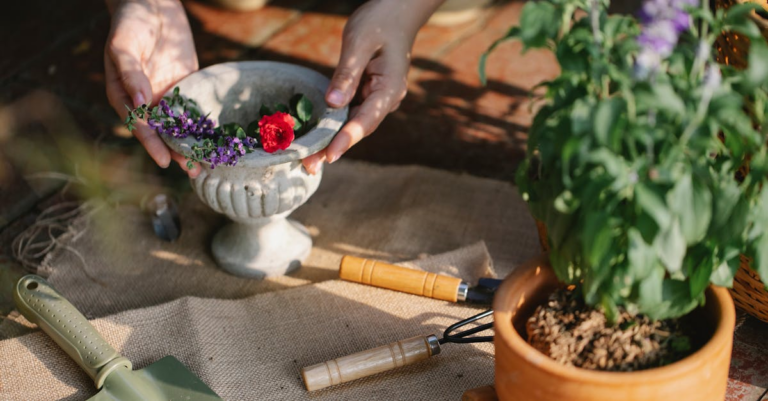
Miniature shovels serve as essential hand tools in a child’s gardening arsenal. Trowels and small rakes allow kids to dig, plant, and cultivate the soil. Each tool should fit comfortably in a child’s hands. Forks facilitate aerating soil, helping kids understand the importance of proper soil preparation. Easy-to-grip handles prevent slipping and increase safety. Tools tailored for children promote confidence while developing fine motor skills. Such small tools enhance children’s ability to manipulate their environment effectively.
Watering Tools
Watering cans designed for little ones make caring for plants enjoyable. Lightweight materials help kids transport water without strain. Spouts that control water flow prevent spills, ensuring precise watering. Providing tools like hose attachments with adjustable nozzles encourages exploration of different watering techniques. Engaging in these activities teaches children the significance of hydration for plants. Experimenting with various watering methods fosters responsibility while nurturing a sense of achievement.
Protective Gear
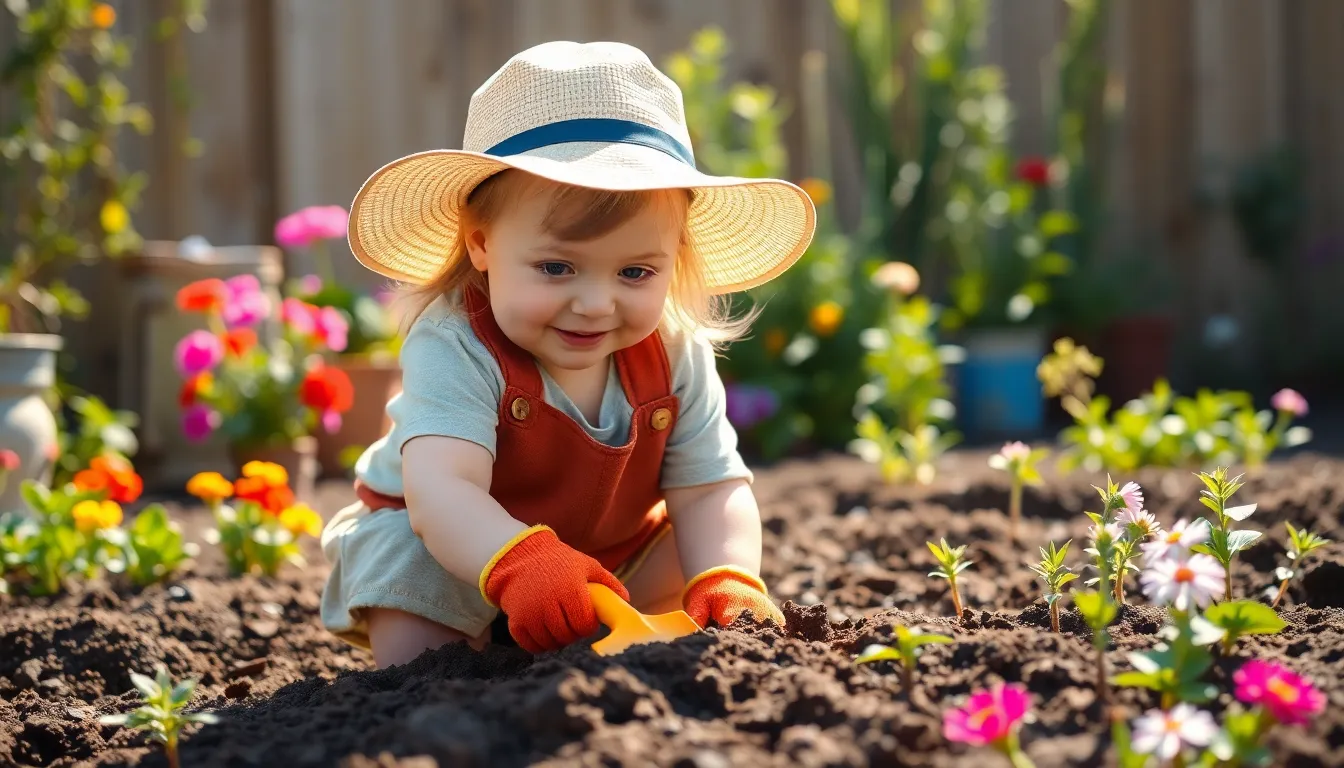
Protective gear is crucial for safety in gardening activities. Gloves crafted for children protect hands from dirt and potential cuts. Lightweight aprons keep clothes clean and foster a sense of ownership. Sun hats shield kids from harmful UV rays, promoting outdoor enjoyment without health risks. Utilizing sturdy footwear minimizes injuries while working in the garden. Encouraging children to wear protective gear builds awareness of safety practices, enhancing their overall gardening experience.
Choosing The Right Tools
Selecting the right gardening tools for kids enhances their gardening experience. These tools need to match children’s age and capabilities to encourage engagement and fun.
Age-Appropriate Tool Selection
Choosing tools that align with children’s ages ensures safe and effective use. Toddlers benefit from lightweight shovels and trowels designed for small hands. Preschoolers can handle slightly larger tools like kid-sized rakes and watering cans. School-aged children typically enjoy tools with more complex functions, such as weeders and pruners. Tools should promote independence and confidence, making gardening enjoyable. Always consider the child’s skill level when making selections, as age-appropriate tools foster better learning experiences.
Safety Features To Consider
Prioritizing safety features prevents accidents during gardening activities. Tools with rounded edges prevent cuts and scrapes, minimizing injury risk. Non-toxic materials ensure safety when children handle them. Easy-grip handles enhance control, reducing the likelihood of dropping tools. Furthermore, using gloves and kneepads adds an extra layer of protection. Protective gear instills safety awareness while they enjoy gardening. Attention to safety features encourages responsible gardening habits in children.
Fun Gardening Activities For Kids
Gardening activities engage children’s creativity and introduce them to nature. These hands-on tasks inspire discovery, responsibility, and the joy of seeing plants grow.
Planting Flowers And Vegetables
Kids enjoy planting flowers and vegetables as an engaging way to learn about nature. Selecting colorful seeds like sunflowers or herbs provides various options for young gardeners. Trowels become essential tools as they dig small holes and gently place seeds or seedlings in the soil. Watering cans help them hydrate their newly planted treasures, teaching the significance of proper care. Watching the growth stimulates curiosity and prompts discussions about plant life cycles, enhancing their connection to the environment.
Creating Decorative Garden Spaces
Creating decorative garden spaces allows children to express creativity while learning gardening skills. Encouraging them to arrange garden decorations like colorful stones or handmade signs sparks imagination and personalization. Plants like marigolds or petunias serve as vibrant backdrops for their designs. Children can also craft garden borders with natural materials such as twigs or recycled items. This activity promotes problem-solving as they envision and construct their unique outdoor spaces, reinforcing their sense of achievement and ownership of their garden.
Conclusion
Providing children with their own gardening tools opens up a world of creativity and learning. These tools not only make gardening fun but also teach essential life skills. As kids dig plant and care for their gardens, they develop a sense of responsibility and confidence that extends beyond the garden.
Choosing the right tools tailored to their age and abilities ensures a safe and engaging experience. With the right equipment and activities, children can explore nature while enhancing their physical and mental development. Gardening becomes a rewarding journey that encourages outdoor play and nurtures a lifelong love for the environment.